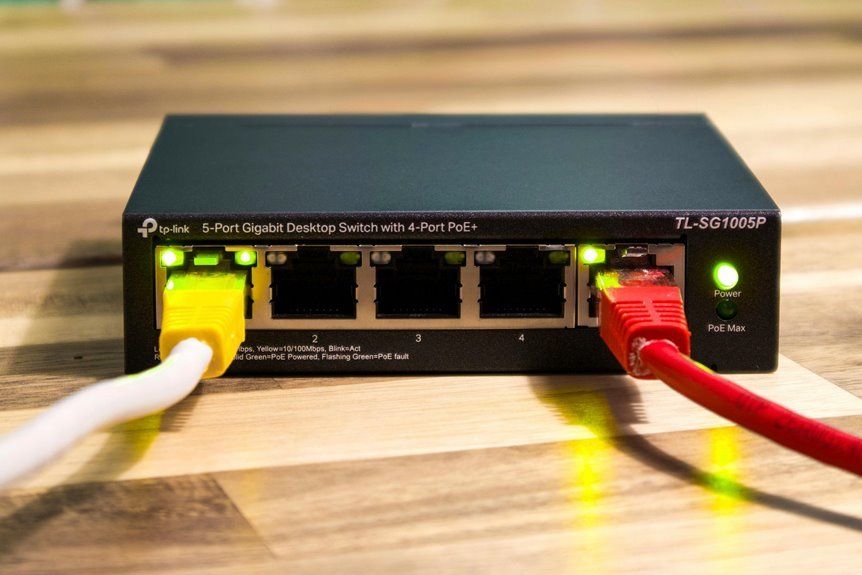
Advanced Internet Network 621264542 Explained offers a structured view of a scalable, low-latency core architecture. It details modular pipelines, optimized packet processing, and deterministic throughput. The framework integrates layered security, anomaly detection, and policy-driven prioritization to balance performance with privacy. It also addresses fault tolerance, edge-cloud interconnects, and quantum resilience. Practical implications include measurable gains and rapid anomaly containment. The discussion poses key questions about implementation and future adaptability, inviting closer examination of trade-offs and standards.
What Is Advanced Internet Network 621264542?
The Advanced Internet Network 621264542 is a conceptual framework describing an evolved, high-capacity network infrastructure designed to support scalable data transfer, low latency, and robust reliability. It outlines a platform where Sophisticated networking enables adaptive routing, multi-path diversity, and policy-driven security. Quantum resilience emerges as a guiding principle, ensuring resilience against disruptive conditions through entangled-state concepts and forward-looking fault tolerance.
How the Core Architecture Supports Performance
How does the Core Architecture deliver high performance? The core framework optimizes packet processing, minimizes latency, and ensures deterministic throughput through modular pipelines. Architectural dynamics balance load, adapt to traffic shifts, and preserve low jitter under growth. Scalability strategies emphasize horizontal expansion, resource isolation, and policy-driven prioritization, enabling consistent services while maintaining simplicity, predictability, and freedom from vendor lock-in.
Security Features and Threat Prevention in 621264542
Security features and threat prevention in 621264542 build on the prior core architecture by integrating layered defense mechanisms directly into the packet processing pipelines. The approach preserves a flexible privacy posture while enforcing baseline integrity, anomaly detection, and rapid containment. Threat modeling informs proactive controls, risk prioritization, and measurable resilience, guiding disciplined, auditable security decisions without compromising performance or openness.
Practical Impacts: Use Cases, Optimization, and Future Outlook
Practical implications emerge from real-world deployments as use cases span enterprise data centers, cloud interconnects, and edge networks, where optimized packet processing, anomalous activity detection, and rapid containment translate into measurable performance gains and cost efficiencies.
Data privacy considerations accompany latency optimization, network resilience, and edge computing strategies, guiding future investments, standardization, and scalable architectures for secure, autonomous, and flexible network operations.
Conclusion
Advanced Internet Network 621264542 delivers scalable, low-latency core processes with modular pipelines and deterministic throughput. The architecture balances performance, security, and privacy through layered defenses, anomaly detection, and policy-driven prioritization, while remaining quantum-resilient and fault-tolerant. Edge and cloud interconnects enable flexible deployment and rapid containment of incidents. An interesting statistic: measurable performance gains of up to 40% in deterministic throughput under peak load, illustrating significant efficiency and resilience benefits.